

Building the Body That Will Carry You Forward
Why Strength and Movement Matter in Midlife
Midlife is often framed as a time of loss — of energy, ease, or the body you once had.
But it doesn’t have to be.
Midlife can be a time to intentionally build the physical capacity you’ll need for the decades ahead. How we move today shapes how we live later — how freely we travel, how independently we move through daily life, and how confidently we say yes to the things we love.
This isn’t about chasing youth.
It’s about creating possibilities.
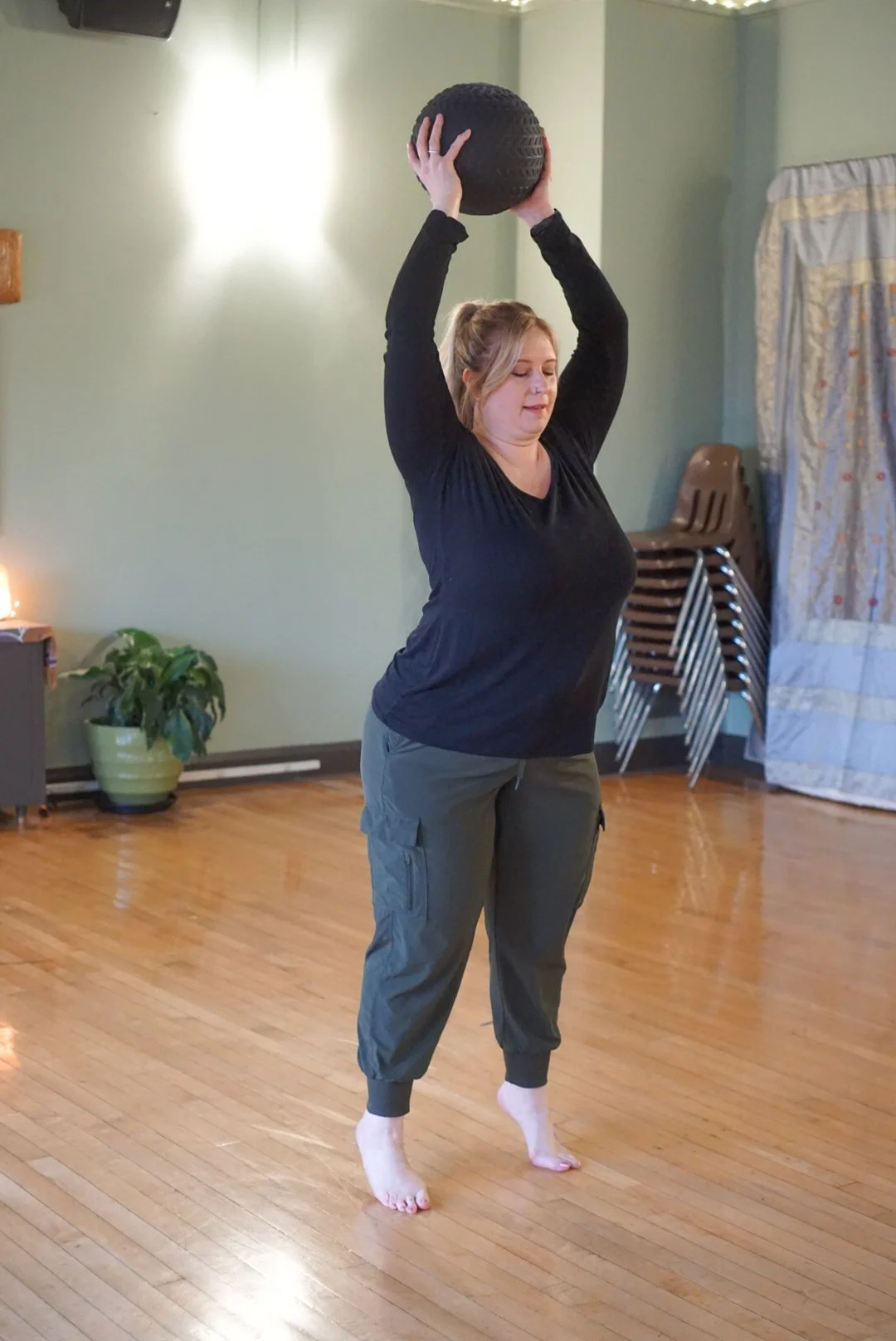
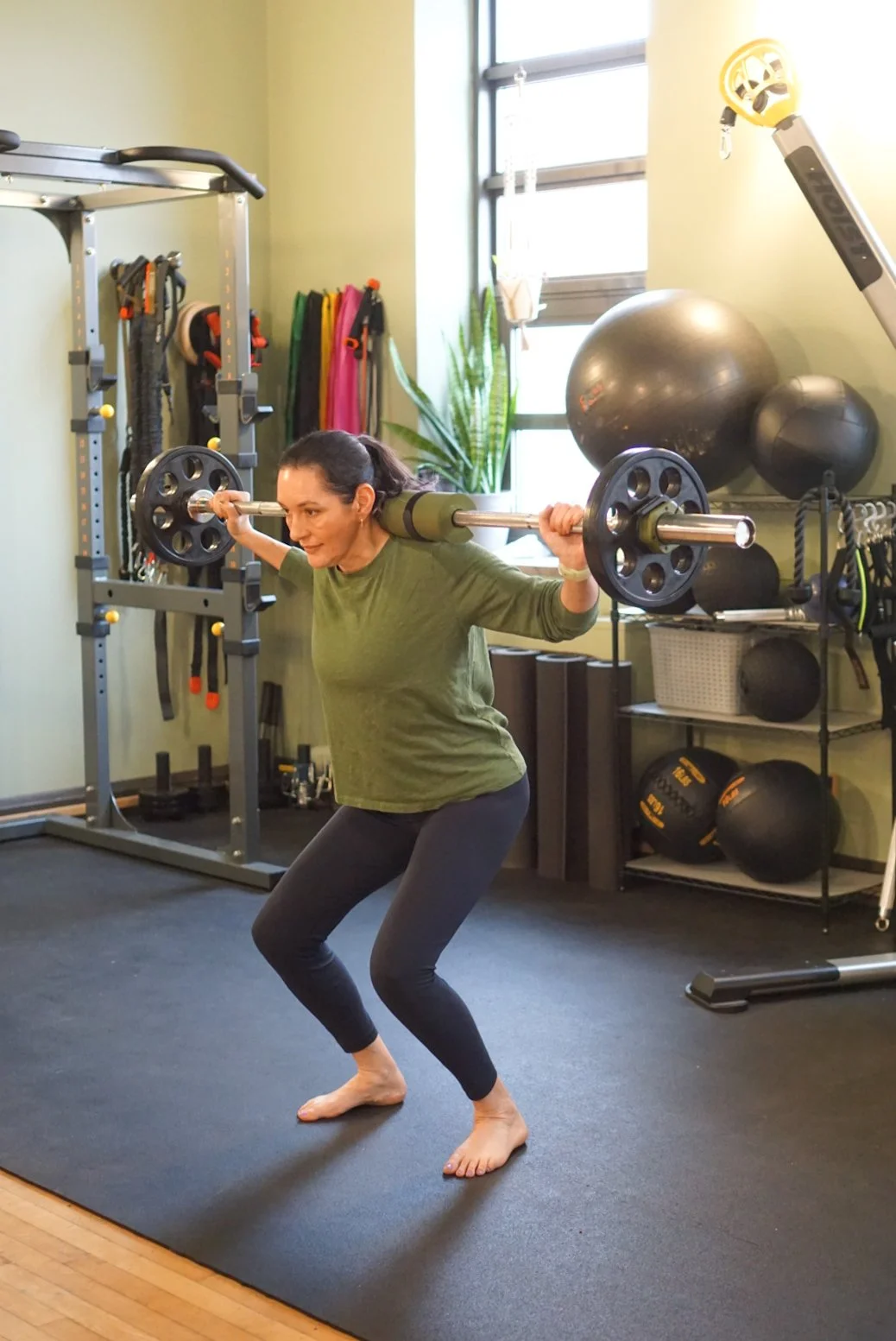
Why Strength and Movement Matter
A regular movement practice in midlife isn’t about aesthetics. It’s about quality of life.
Strength, mobility, balance, and coordination help you stay capable — able to lift, carry, reach, walk confidently, and recover from life’s inevitable surprises. Strength training, in particular, supports independence, joint health, bone density, and long-term resilience.
Strength doesn’t need to be extreme or punishing. The most sustainable practices are manageable, functional, and designed to support your life — not exhaust you.
Train for the Life You Want to Live
Rather than asking, “What should I be doing in the gym?” try asking:
What do I want to do with my body — today and going forward?
Carry a suitcase with ease?
Get up off the floor confidently?
Spend full days walking while traveling?
Paddle, hike, garden, ski, or play with grandchildren?
Movement that supports these goals doesn’t happen by accident. It’s built through regular, thoughtful practice.
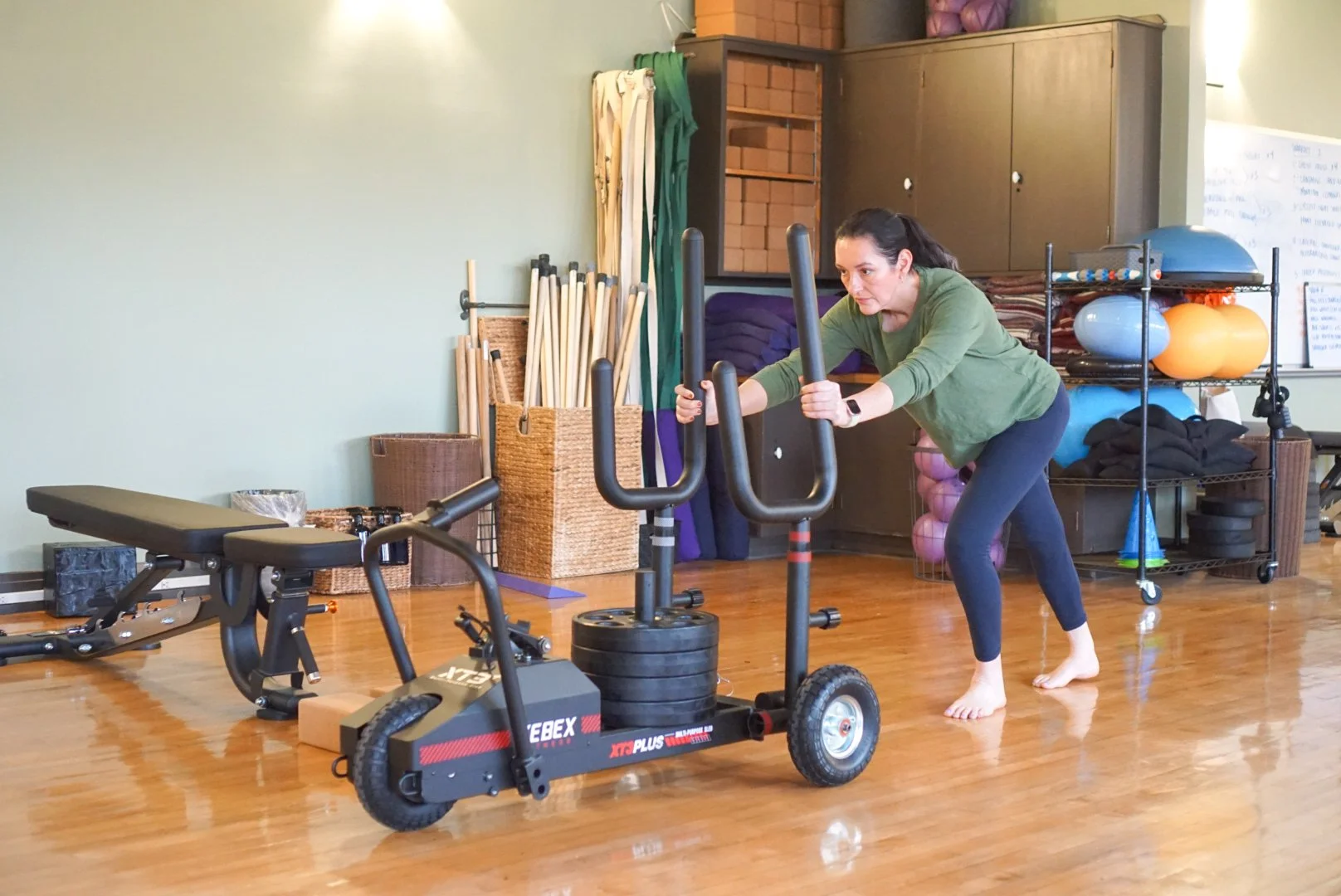
Getting Started (and Taking the Next Step)
If you’re unsure where to begin — or how to move forward — start here.
If you’re just getting started:
Walk regularly, ideally outdoors, at a pace that feels supportive
Add simple strength work one or two days a week using bodyweight, bands, or light weights
Aim for consistency, not intensity — doing something regularly matters more than doing a lot occasionally
If you’re already active and want to go deeper:
Make sure strength training is part of your week, not just cardio
Include some mobility and balance work alongside strength
Pay attention to recovery — soreness and exhaustion shouldn’t be the goal
Thinking about a class or program?
Before committing, ask yourself:
Does this support long-term strength and mobility, not just short-term intensity?
Is there room for individual needs, injuries, or different experience levels?
Does this feel like something I can return to consistently?
The right program is one that helps you feel more capable — not depleted.
The Takeaway
The body you build now is the body that will carry you forward.
Midlife isn’t the end of what your body can do.
It can be a beginning.